


Skipping a window cleaning here and there feels harmless enough. Life gets busy, the glass still technically lets light through, and it’s easy to assume you’ll catch up eventually with no real consequence. The problem is that window neglect doesn’t actually pause while you’re not paying attention — it compounds quietly in the background, and by the time it becomes visually obvious, you’re often dealing with damage that a simple cleaning can no longer fully reverse.
This guide looks at what actually happens to glass, frames, and surrounding materials when window cleaning gets pushed off for extended periods, and why catching up sooner is consistently less costly than letting things slide.
A fresh layer of dust or pollen on a window is purely cosmetic and lifts off easily with basic cleaning. The issue is what happens when that same layer isn’t removed and instead goes through repeated cycles of rain, sun, and drying. Each cycle allows minerals, pollutants, and organic debris to settle a little more firmly into the glass surface. What starts as surface-level grime gradually becomes harder to remove, not because more dirt accumulated, but because the existing dirt has had time to chemically bond with the surface through repeated wet-dry cycles.
This progression is most visible with hard water staining. A light mineral film from a single season of untreated rain and sprinkler exposure is still generally removable with the right method. Left for multiple years, that same mineral buildup can progress into actual surface etching, where the glass itself has been altered at a microscopic level rather than simply coated in residue sitting on top. Etched glass has a rough, textured feel rather than a smooth one, and no amount of cleaning, professional or otherwise, can reverse that kind of structural change. At that point, restoration options become far more limited, and full glass replacement is sometimes the only real fix.
Windows don’t exist in isolation from their frames, and neglect affects both together. Dirt, moisture, and organic debris trapped in sills and tracks over long periods can contribute to frame deterioration, particularly for wood-framed windows where trapped moisture creates conditions for rot or mold growth. Vinyl and aluminum frames are more resistant to this specific issue but can still experience discoloration and a buildup of grime that becomes increasingly difficult to fully restore the longer it’s left.
Modern double and triple-pane windows rely on sealed air gaps between panes for insulation. Early signs of seal failure, like slight fogging or condensation between panes, can be harder to notice through consistently dirty glass, since the overall haze from grime can mask or blend with early internal fogging. Catching seal failure early allows for a more targeted repair, while prolonged neglect means these early signs often go unnoticed until the problem has progressed significantly, by which point replacement of the glass unit is the more likely outcome.
Beyond physical damage to the glass itself, there’s a genuine daily cost to neglected windows that’s easy to underestimate: reduced natural light. A build-up of grime, even if it doesn’t look dramatically dirty from a distance, can noticeably cut down how much light actually passes through a window. Over months and years of neglect, this adds up to consistently dimmer interior spaces, which affects everything from mood and energy levels to how much artificial lighting a household relies on throughout the day.
Neglected screens accumulate dust, pollen, and debris in the same way glass does, and this buildup can reduce airflow through the screen over time, which matters for homes that rely on natural ventilation during warmer months. Debris-packed tracks also make windows physically harder to open and close smoothly, adding wear to the window’s mechanical components beyond just the visual grime sitting in the channel.
The core issue with window neglect is that the relationship between time and damage isn’t linear — it accelerates. A window left dirty for one extra season typically just needs a slightly more thorough clean than usual. The same window left dirty for several years may require specialized hard water treatment, frame restoration, or in worst cases, glass replacement, none of which compare in cost or complexity to routine maintenance cleaning. Addressing windows regularly, even if it feels like an unnecessary step when things don’t look obviously dirty yet, consistently avoids the far more expensive end of this spectrum.
Keeping to a consistent cleaning schedule, rather than waiting for visible grime to prompt action, directly prevents the progression described throughout this guide:
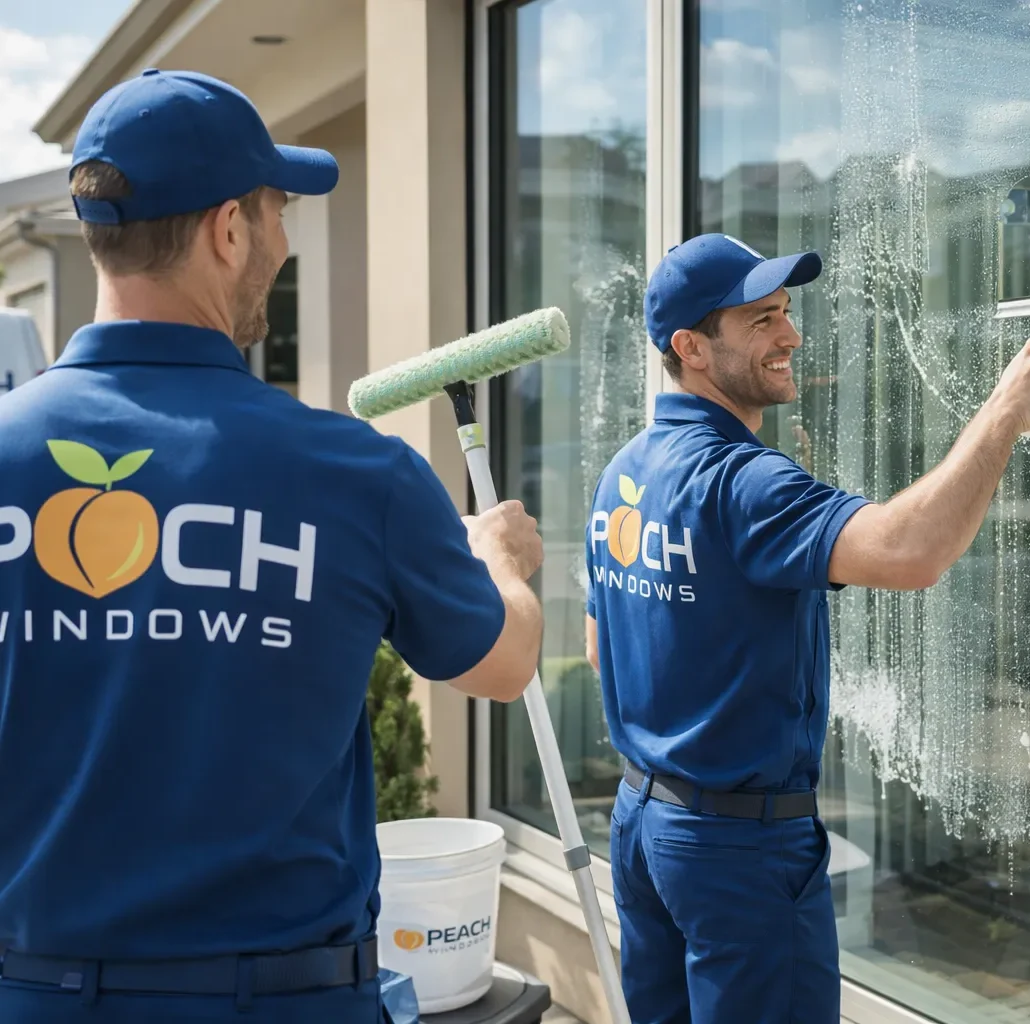
Peach Windows works with homeowners across the Greater Toronto Area on both routine maintenance cleaning and restoration for windows that have gone longer without proper attention. For neglected windows specifically, we assess whether existing staining or buildup is still fully removable or has progressed toward more permanent damage, so you know exactly what you’re dealing with before deciding on next steps.
How long does it take for hard water staining to become permanent? This varies significantly based on water hardness, sun exposure, and how often sprinklers or rain hit the glass, but staining left untreated for multiple years is at meaningfully higher risk of progressing into permanent etching compared to staining addressed within a season or two.
Can neglected windows actually affect my home’s energy efficiency? Indirectly, yes. Severely neglected frames and seals are more likely to develop issues over time, and while dirty glass itself doesn’t directly affect insulation, the conditions that allow neglect to persist, like trapped moisture in sills, can contribute to broader frame deterioration that does.
Is it possible to tell if my windows have permanent etching versus just heavy staining? Etched glass typically has a rough or textured feel compared to the smooth surface of removable staining, though a professional assessment is the most reliable way to confirm which one you’re dealing with.
Does neglecting window cleaning affect resale value? Yes, visibly neglected windows can suggest broader maintenance issues to potential buyers, and in cases of advanced staining or frame deterioration, may require actual repair or restoration work before a sale rather than a simple cosmetic clean.
Can dirty window screens actually reduce airflow in my home? Yes, a heavily clogged screen restricts airflow noticeably compared to a clean one, which matters for homes that rely on open windows for ventilation during warmer months.
Is seal failure caused by dirty glass, or just harder to notice because of it? Seal failure itself is caused by the window unit’s internal seal breaking down over time, unrelated to surface dirt, but heavy grime buildup on the glass can make early signs of fogging harder to spot before the issue progresses further.
How much more does it cost to restore heavily neglected windows compared to routine cleaning? This varies by the specific damage involved, but specialized treatments for advanced hard water staining or frame restoration generally require more time, materials, and expertise than a standard maintenance clean, making prevention the more cost-effective long-term approach.
Can wood window frames actually rot from neglected moisture buildup? Yes, trapped moisture in sills and tracks over extended periods creates conditions that can contribute to rot in wood-framed windows specifically, which is less of a concern for vinyl or aluminum frames but still a valid reason to keep tracks clear.
Does reduced natural light from dirty windows really make a noticeable difference indoors? Yes, even moderate grime buildup can meaningfully reduce the amount of light passing through glass, which adds up to a noticeably dimmer interior over months of neglect, particularly in rooms that rely heavily on natural light.
What’s the most cost-effective way to avoid these long-term issues? A consistent seasonal cleaning schedule, rather than waiting for visible dirt to prompt action, is the most reliable way to prevent gradual buildup from progressing into the more serious, harder-to-reverse issues covered in this guide.
Neglected windows don’t just look worse over time — the underlying damage accelerates the longer it’s left unaddressed, turning what would have been a simple cleaning into a more complex, costly restoration or replacement situation. Staying ahead of this with a consistent cleaning schedule is consistently the more affordable, lower-effort path compared to catching up after years of neglect.
Peach Windows helps homeowners across the Greater Toronto Area stay ahead of long-term window damage with regular maintenance cleaning, and can assess and restore windows that have gone longer without proper attention. Reach out to Peach Windows to get your windows back on track before neglect turns into a bigger problem.
VERIFIED WINDOW CLEANING SPECIALIST
Written By: Peach Windows Team
Professional window cleaning specialists serving the Greater Toronto Area. Our experienced team provides reliable residential and commercial window cleaning using professional techniques and pure water technology. We focus on streak-free results, careful service, and customer satisfaction on every visit.
PEACH WINDOWS

Latest Articles